
Understanding the psychology of impulse betting in casinos
The Allure of Instant Gratification
Impulse betting in casinos is often driven by the human desire for instant gratification. This psychological phenomenon manifests when players seek immediate rewards, often overriding rational decision-making processes. The thrill of winning, even if it is momentary, can create a powerful urge to engage in gambling activities without thorough consideration of the risks involved. Many players also find that taking advantage of a sports betting sign up bonus can enhance their experience, urging them further into the world of gaming.
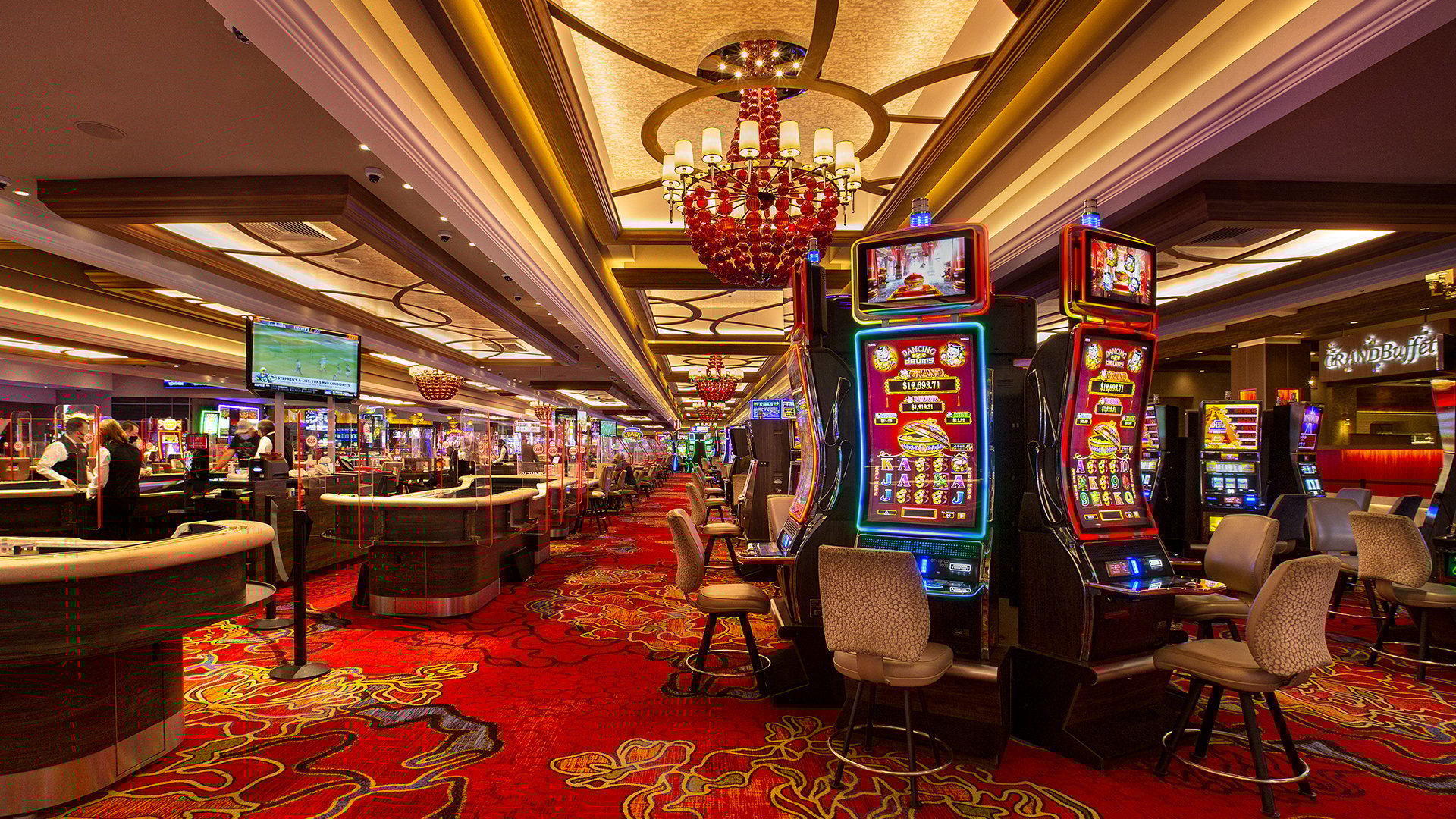
The environment of a casino further amplifies this impulse. Bright lights, exciting sounds, and the presence of other enthusiastic patrons contribute to an atmosphere that encourages spontaneous betting. This sensory overload can cloud judgment, leading individuals to make hasty bets merely to chase the exhilarating feelings associated with gambling, rather than relying on strategic thinking or prior experience.
The Role of Emotional Triggers
Emotions play a significant role in impulse betting. Feelings of excitement, stress, or even boredom can trigger impulsive gambling behavior. For many, gambling serves as an emotional escape, providing a temporary reprieve from life’s challenges. This emotional connection can lead to compulsive betting patterns, as individuals continuously seek that rush of adrenaline or the solace it might provide during tough times.
Moreover, high-pressure situations can create a “fight or flight” response that influences betting decisions. When emotions run high, the brain can prioritize short-term rewards over long-term consequences, resulting in decisions fueled by an immediate need for relief or excitement rather than careful contemplation of the risks involved.
Social Influences and Peer Pressure
The social dynamic within casinos also plays a crucial role in impulse betting. Being surrounded by other gamblers can create a bandwagon effect, where individuals feel compelled to join in on the action. This peer pressure can lead to spontaneous betting, as the desire to be part of a group or share in the thrill of the game takes precedence over individual gambling strategies.
Additionally, social interactions in casinos often blur the lines between entertainment and gambling. When friends or acquaintances encourage each other to make bets, the thrill of the moment can overshadow rational thought, leading to decisions that individuals might not make in a more solitary environment. This social context can significantly amplify impulsive behavior and override normally cautious instincts.
The Impact of Casino Design and Marketing
Casino design and marketing strategies are meticulously crafted to stimulate impulse betting. The layout of casinos is often intended to enhance the feeling of excitement and urgency. From strategically placed machines to enticing promotions, every element is designed to keep players engaged and eager to participate. This creates an environment where impulse betting is more likely to flourish.
Additionally, marketing campaigns often play on emotions and psychological triggers, making betting seem appealing and accessible. Promotions that emphasize quick wins or highlight the potential for large payouts can entice players to make spontaneous bets without adequate consideration of the odds involved. As a result, these powerful marketing techniques significantly contribute to impulsive betting behavior among casino visitors.

Understanding Responsible Gambling Practices
Recognizing the psychology behind impulse betting is crucial for promoting responsible gambling. Casinos and gambling organizations are encouraged to implement programs that educate players about the risks associated with impulsive betting. By raising awareness of the emotional triggers and environmental factors that fuel these behaviors, individuals can make more informed decisions when gambling.
Moreover, providing resources for self-exclusion and counseling can help those who find themselves struggling with impulse betting. Acknowledging the psychological aspects behind these behaviors is essential for fostering a culture of responsible gambling. As the industry continues to evolve, it is vital for operators and patrons alike to prioritize awareness and accountability in the casino environment.